7 Paddleboard Beginner Mistakes That Are Quietly Slowing You Down
Quick Answer: The biggest beginner paddleboard mistakes are standing too far back on the board, paddling with the arms instead of the torso, gripping the paddle backwards, looking down at your feet, using too short a paddle, fighting wind instead of reading it, and skipping a proper fall-and-remount drill before you need it.
Most of what makes paddleboarding feel exhausting in the first few sessions isn’t fitness — it’s technique nobody explains up front. Here are the seven habits worth fixing early.
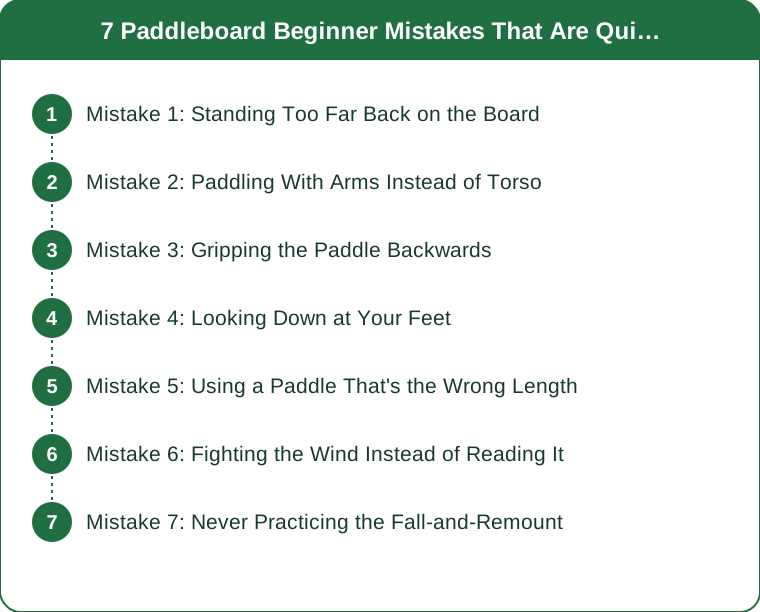
Mistake 1: Standing Too Far Back on the Board
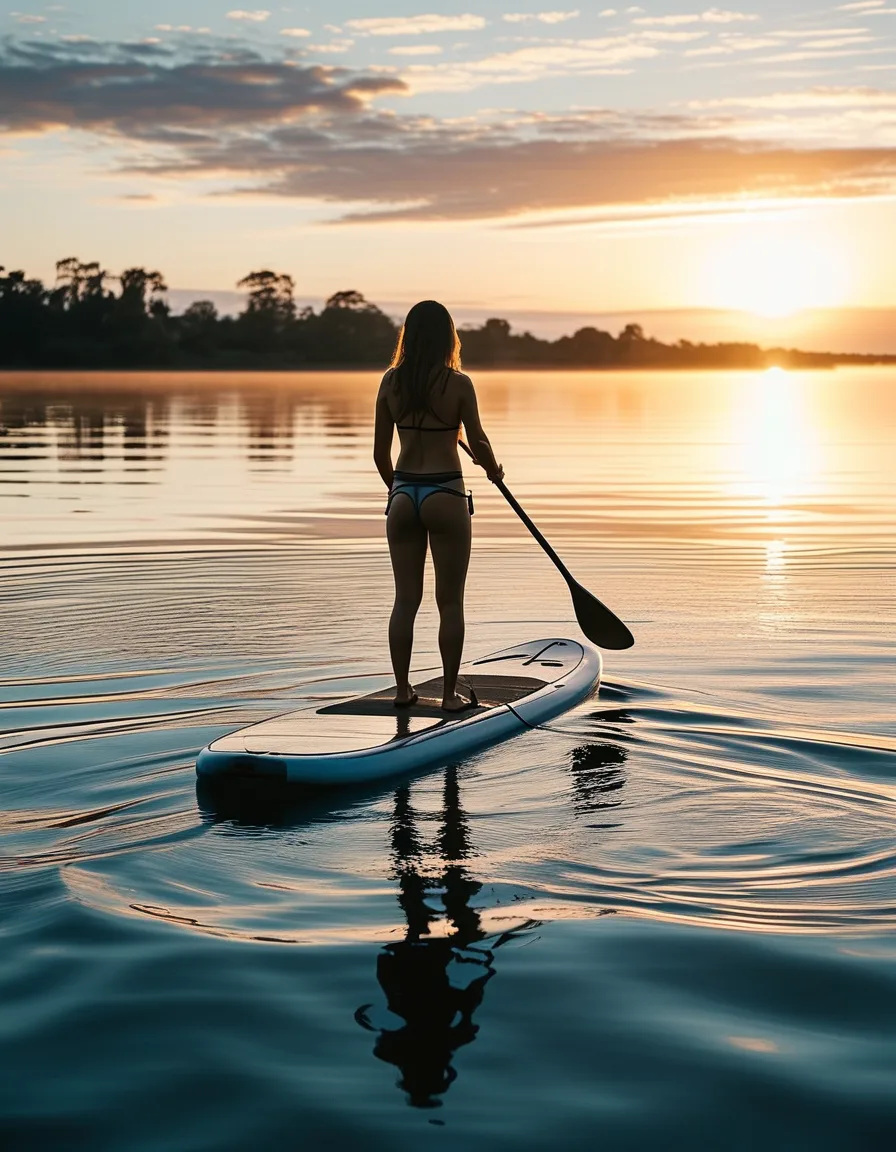
New paddlers instinctively stand closer to the tail because it feels more stable, but it actually buries the nose and drags the board, forcing you to work harder for the same speed. Find the board’s handle — that’s roughly your correct standing position — and adjust forward or back from there in small steps until the nose sits level with the water.
Mistake 2: Paddling With Arms Instead of Torso
Arm-only paddling burns out your shoulders in ten minutes and produces a weak stroke. The power should come from rotating your torso and using your core, with your top arm pushing down rather than pulling back. Think of it as a rowing motion, not a swimming stroke.
Mistake 3: Gripping the Paddle Backwards
This sounds too basic to matter, but a huge number of beginners hold the paddle with the blade angled the wrong way, which wastes a surprising amount of power on every stroke. The blade’s angle should tilt away from you at the top of the stroke — if the top edge of the T-grip tilts toward you, you’re holding it backwards.
Mistake 4: Looking Down at Your Feet
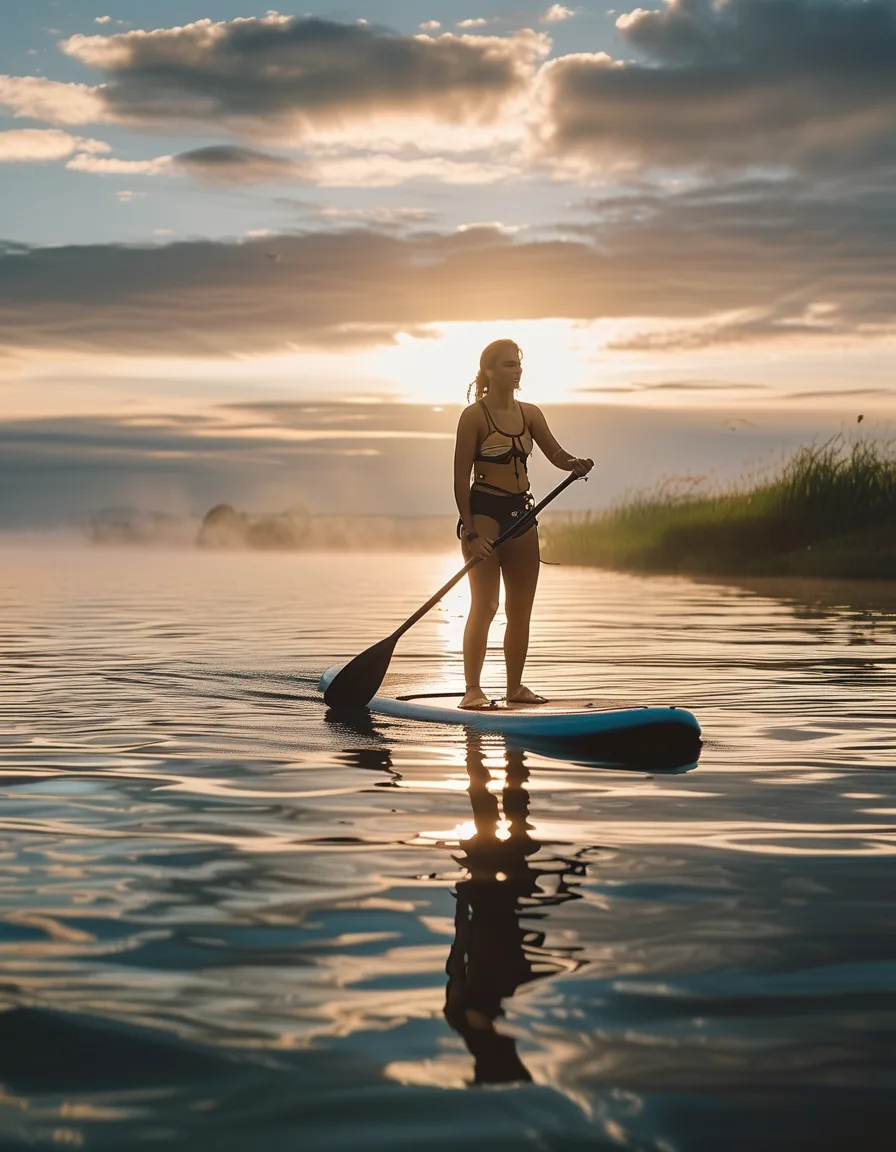
Staring at your feet to check balance actually makes you less stable, because your inner ear and core react to where your eyes are pointed. Fix your gaze on the horizon or a point on the shore, and let your peripheral vision and feet handle balance on their own — it works better than it sounds.
Mistake 5: Using a Paddle That’s the Wrong Length
A paddle that’s too short forces you to hunch, which wrecks your stroke mechanics and your lower back over a session. A general sizing rule is your height plus 8-10 inches for flatwater touring paddles; adjustable paddles make this a non-issue if your board rental offers one.
Mistake 6: Fighting the Wind Instead of Reading It
Wind pushes a standing paddler around far more than it pushes a kayaker, and fighting it head-on burns you out fast. The better approach is to paddle out against the wind first while you’re fresh, so the return trip has the wind at your back when you’re tired — plan the route, don’t just react to it.
Mistake 7: Never Practicing the Fall-and-Remount
Most beginners’ first fall happens by surprise, in choppy conditions, and panic makes the remount much harder than it needs to be. Practicing a controlled fall and remount in calm, shallow water on your first session means the real fall — which will happen — is just a minor interruption instead of a scary moment.
TL;DR:
- Standing position and paddle grip are the two most common technical errors, and both are free to fix
- Power comes from torso rotation, not arms — this alone changes how tired you feel afterward
- Route around wind rather than fighting it, and practice falling before conditions force you to
None of these seven require new gear or more strength — just a few minutes of deliberate attention on your next session.
Keep Reading
This article is for general informational and styling purposes only. Fit, sizing, and product availability may vary.