7 Signs You're Ready to Paddleboard in Open Water, Not Just a Calm Lake
Quick Answer: You’re ready for open water paddleboarding when you can consistently remount your board from deep water without help, paddle in a straight line against wind and light chop, read basic weather and tide conditions, and you own a properly fitted leash and personal flotation device - calm-lake comfort alone doesn’t cover any of these.
A calm, glassy lake and open water - ocean, bay, or a large exposed lake - are different enough that skills from one don’t automatically transfer to the other. Here are 7 concrete signs you’re actually ready, not just eager.
Am I Actually Ready for Open Water? 7 Real Signs
1. You can remount your board from deep water, every time
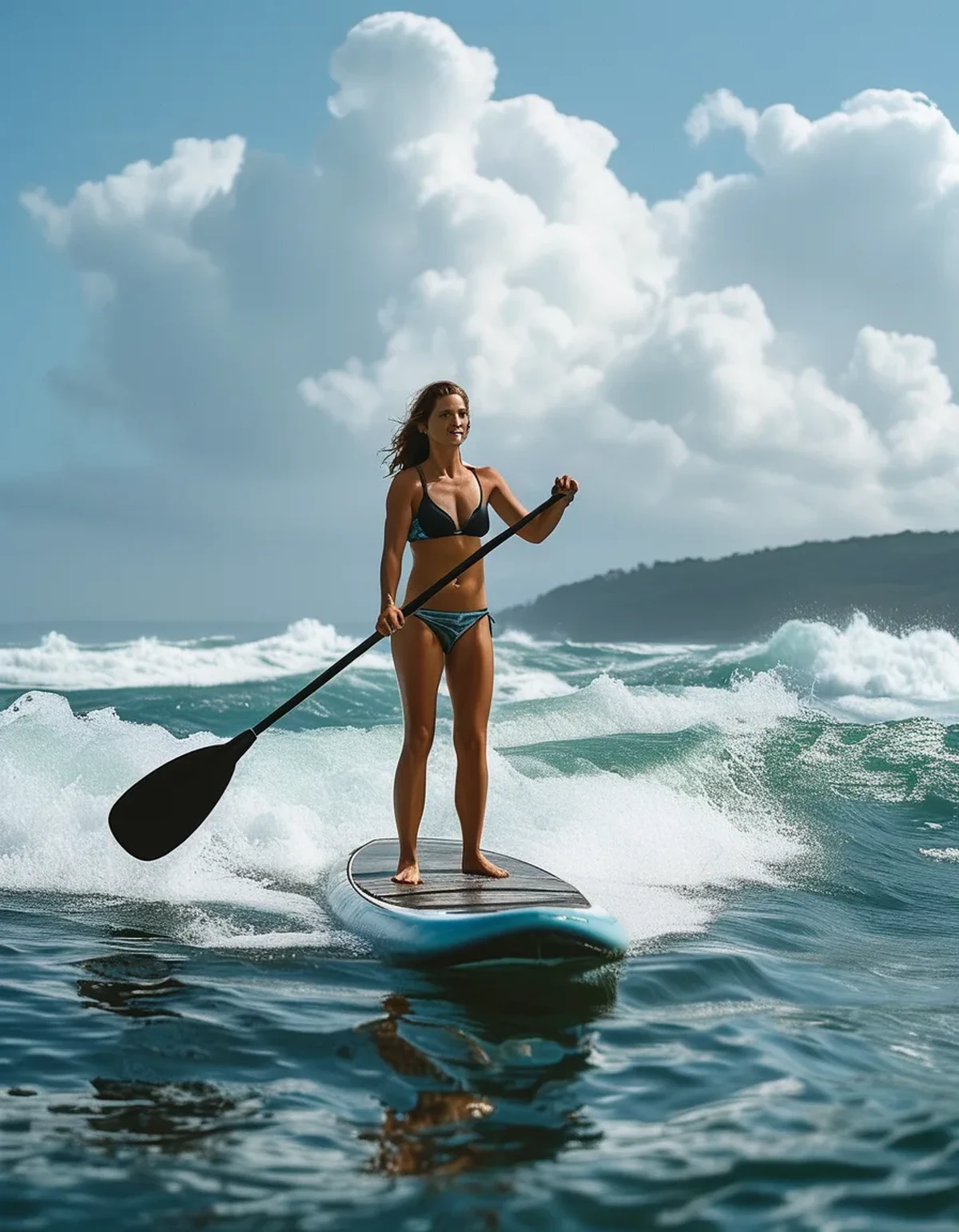
Falling off is inevitable in open water, where waves and current make it more likely than on a calm lake. Being able to climb back on from deep water, without a dock or shallow bottom to push off from, consistently and without panic, is a baseline open-water skill.
2. You can paddle a straight line against wind
Open water almost always has more wind exposure than a sheltered lake. If you can’t currently correct your paddling to hold a straight course when wind is pushing against you, open water conditions will make navigation genuinely difficult, not just annoying.
3. You understand basic tide and current timing for your specific location
Tides and currents can turn a manageable paddle out into a genuinely hard paddle back. Checking tide charts and understanding how current affects your specific route is a planning skill, not an optional extra.
4. You own a coiled ankle or calf leash rated for the conditions
A straight leash (common for lake use) can be dangerous in waves, where it’s more likely to tangle. Open water calls for a coiled leash designed for that environment specifically.
5. You’ve checked a real marine weather forecast, not just a general weather app
General weather apps often don’t capture wind speed over open water accurately, which tends to be higher than over land. Marine-specific forecasts give a more accurate picture of what you’ll actually face.
6. You’re comfortable being out of sight of your entry point
Open water often means paddling further from shore or around a point where you lose sight of where you started. Comfort with this - both physically and mentally - matters more than most beginners expect going in.
7. You paddle with a buddy or tell someone your route and return time
This is standard open-water safety practice regardless of skill level - conditions change fast, and having someone who knows your plan is a basic safety net serious paddlers don’t skip.
What Nobody Tells You About the Jump to Open Water
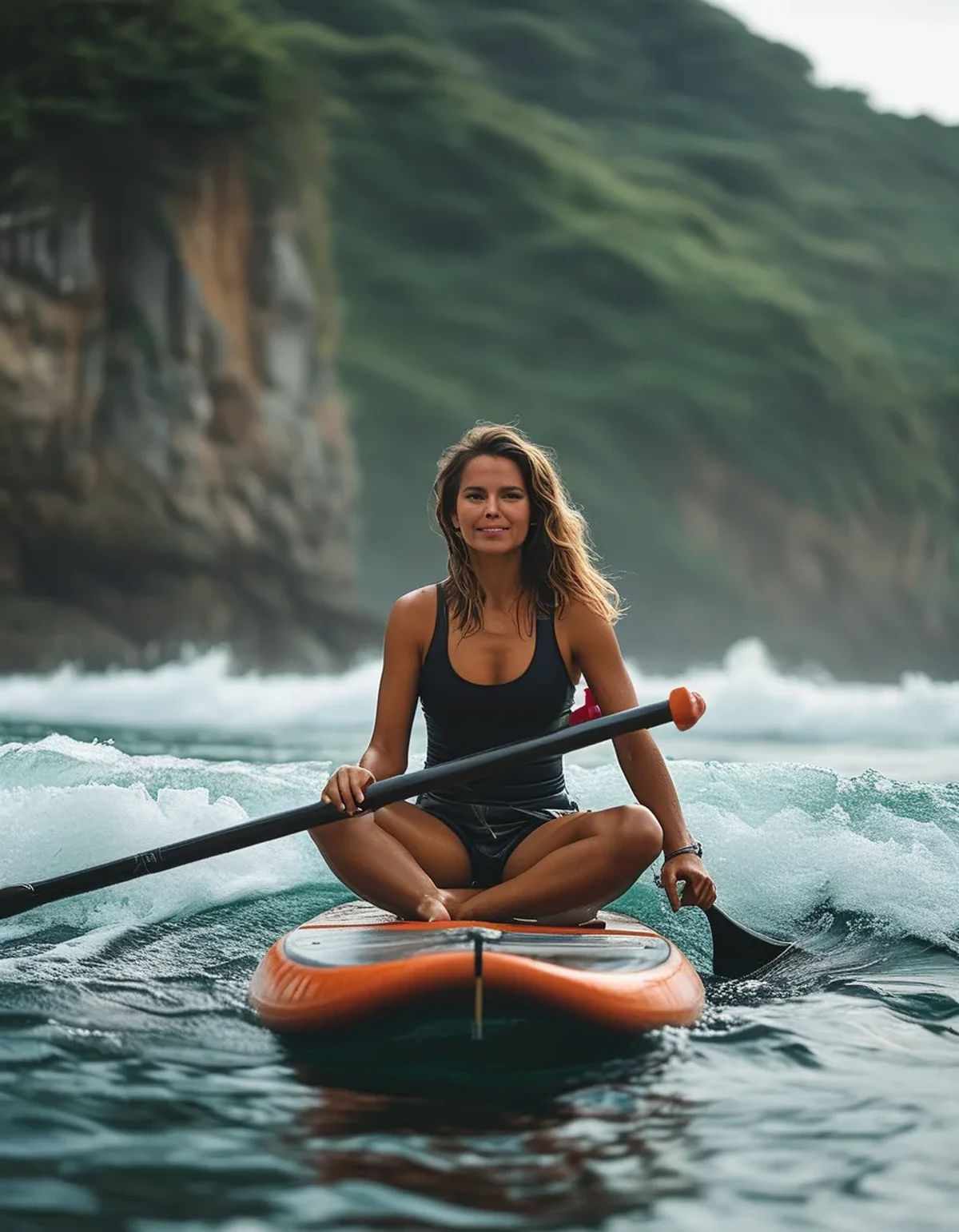
Here’s the part that surprises a lot of confident lake paddlers: balance on flat, calm water and balance in even mild chop are genuinely different skills, not just a harder version of the same one. Small, constant micro-corrections needed in chop use different muscles and reaction patterns than the steady stance calm water allows - which is why some strong lake paddlers struggle more than expected on their first open-water outing.
The fix isn’t more lake practice - it’s specifically seeking out choppier, more exposed water gradually (a slightly windy day on a large lake, for example) before jumping straight to full open ocean conditions.
Stance width and knee bend also matter more in chop than most paddlers assume from lake experience. A slightly wider stance and a bit more knee bend than feels necessary on flat water gives you a lower center of gravity and more room to absorb small wave movements without needing to make a big, obvious correction each time.
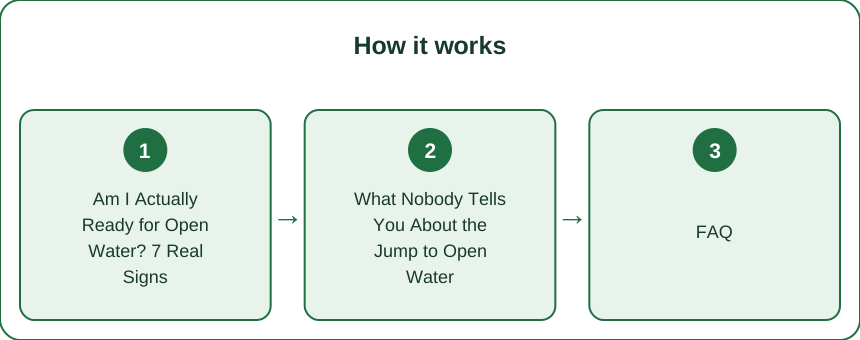
FAQ: Open Water Paddleboarding Readiness Questions, Answered
How long does it typically take to go from calm-lake comfortable to open-water ready?
This varies widely, but many paddlers spend several months building the specific skills above before their first real open-water session, rather than a fixed timeline.
Do I need a different board for open water?
Not necessarily a different board, but a properly fitted coiled leash and a personal flotation device are essential additions regardless of board type when moving to open water.
Is it safe to paddle open water alone once I’m skilled enough?
Even experienced open-water paddlers generally recommend a buddy system or, at minimum, telling someone your specific route and expected return time - conditions can shift faster than skill alone can always handle.
What’s the single most common reason confident lake paddlers struggle on their first open-water outing?
Underestimating wind, most often. Wind that felt manageable checking a general weather app can feel dramatically stronger once you’re actually out on open water without the shelter a lake’s surrounding land typically provides, which is exactly why a marine-specific forecast matters more than it might seem before you’ve experienced the difference firsthand.
TL;DR:
- Consistent deep-water remounting and straight-line paddling against wind are baseline open-water skills
- Understanding tides, currents, and marine-specific forecasts matters more than general confidence
- Chop requires different balance skills than calm water, not just a harder version of the same skill
- Always paddle with a buddy or share your route and return time before heading into open water
Open water rewards real preparation - work through these 7 signs honestly before making the jump from a calm lake.
Keep Reading
This article is for general informational and styling purposes only. Fit, sizing, and product availability may vary.