Reading Water and Weather: The Paddler's Safety Guide to Conditions
Quick Answer: Wind is the variable that decides everything. Under 10 knots is comfortable for most recreational paddlers, 10–15 knots is experienced-only, and 15+ knots means stay ashore. Offshore wind — blowing from the shore out toward open water — is the single most dangerous condition in paddleboarding, because the paddle out is easy and the paddle back can be impossible. Whitecaps mean don’t launch. Always paddle into the wind first so it carries you home when you’re tired.
The stroke takes an afternoon to learn. The judgment call — standing on the beach deciding whether today is a paddle day at all — takes years, and it’s the skill that actually keeps people alive.
The most common serious paddleboarding incident isn’t a dramatic one. It’s someone on a calm-looking morning who paddles out easily with a light breeze at their back, turns around, and discovers they can’t make headway against it.
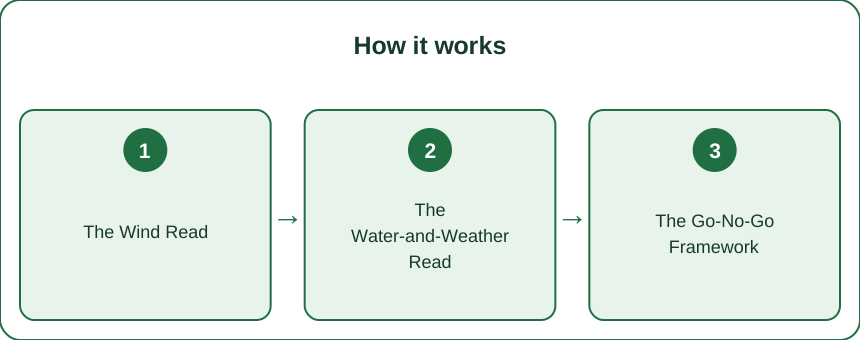
The wind read
Speed thresholds:
- Under 10 knots — comfortable for most recreational paddlers on protected water.
- 10–15 knots — experienced paddlers only, and only with a plan.
- 15+ knots — no-go for casual paddling. A paddleboard with a person standing on it is a sail.
Check the forecast in knots, and check it for your whole session window — not just for the hour you’re launching. A calm 9 a.m. that becomes a 15-knot noon is a completely standard summer pattern and it catches people constantly.
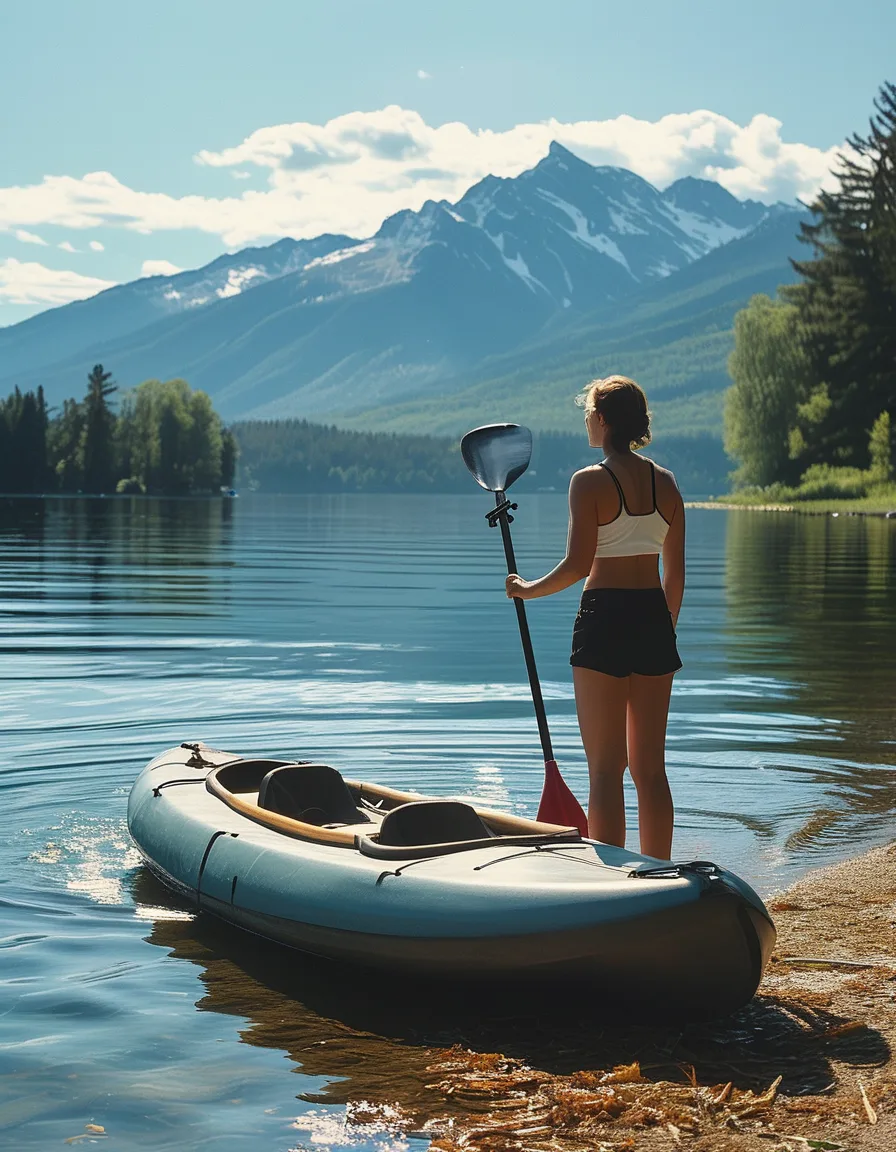
Offshore wind is the emergency-maker. Wind blowing from land toward open water gives you an easy, pleasant paddle out and then puts the entire return trip into a headwind, with the water getting rougher and the shore getting further away the whole time. On an offshore-wind day the answer is either no, or stay so close to shore you can always walk back.
Gusts, not just sustained. A forecast of “8 knots gusting 20” is not an 8-knot day. Look at the gust spread — that’s what actually knocks you off the board.
The whitecap check. If you can see whitecaps on the water, that’s roughly 12+ knots. Most recreational paddlers should stay ashore.
On-water rule: always start into the wind. Do the hard half fresh, and let the wind escort you home when you’re tired. This one habit converts a lot of potential incidents into ordinary paddles.
The water and weather read
Dress for the water temperature, not the air. This is the rule spring days break. A 22°C afternoon over 10°C water is a cold-water day, and cold water shock is a real, fast, physiological response that has nothing to do with how tough you are. If the water is below about 15°C, a wetsuit is appropriate regardless of the sunshine.
Current and tide. For any new venue, research it before you go: river flow rates, tidal windows, how the estuary behaves on an ebb. Ask at the launch — local knowledge is free and better than any app. Moving water is its own discipline with its own training.
Boat traffic. Map the channels, ferry lanes, and jet-ski zones before you launch. You are small, low, and hard to see. Bright clothing and a visible board help; routing around traffic helps more.
Thunderstorms are an absolute no. You’d be the tallest object on a flat, conductive surface. If there’s a thunderstorm in the forecast, or you see cumulus clouds building vertically, that’s a no or an immediate exit — don’t wait for the first rumble.
Fog and low light. Fog makes you invisible to boats. Dawn and dusk do most of the same. If you must paddle in either, carry a light and stay well clear of any traffic.
Rate conditions against your own skill. Not against the best paddler at the launch. A sheltered bay on a calm day is a complete, legitimate, enjoyable paddle.
The go-no-go framework
The three-check protocol. Before every launch:
- Wind forecast for the entire session window, in knots, including gusts and direction.
- Watch the water for five full minutes from shore. Not a glance — five minutes. Sets, gusts, and current become visible in a way they aren’t in thirty seconds.
- Identify your exit points. Where can you get off the water between here and your turnaround? If the answer is nowhere, that changes the calculation.
Write personal minimums on a calm day. Your wind ceiling, your water-temperature floor, your rules about paddling solo, your maximum distance from shore. Decide these at home with a coffee, not at the launch with a car full of gear and a friend saying it looks fine. Pre-committed limits are the only ones that survive launch-site optimism.
Guard against group pressure. “We all thought someone else was worried about it” opens a lot of incident reports. Establish that anyone can call it, no discussion required. And the group’s conditions are the weakest paddler’s conditions, always.
Have a plan B ready. A no-go day is much easier to accept when there’s somewhere for the energy to go: a sheltered alternative venue, a walk, a session in the pool. Decisions get made better when the alternative isn’t “drive home disappointed.”
Keep a log. Conditions, decision, what actually happened. Over a couple of seasons this becomes a genuine judgment library, and the near-misses teach you far more than the perfect days.
If things go wrong
Caught out in wind: drop to your knees, or lie prone and paddle with your arms. This halves or better your sail area and is dramatically more effective than standing and pretending. Looking undignified while making progress beats looking composed while going backwards.
Stay with your board. Always. Your board is your flotation and it’s the thing rescuers can see. Swimming for shore and leaving the board is a decision that turns bad situations into fatal ones. This is what the leash is for — wear it, every time, and use the type appropriate to your water (a quick-release waist leash for moving water and rivers, where an ankle leash can snag).
Practice the deep-water remount before you need it. In warm, shallow water, on a calm day. Getting back on the board when you’re fresh is a different skill from doing it exhausted and cold, and the first time you try shouldn’t be the time it matters.
Carry a phone in a waterproof case, on your body. Not in a dry bag strapped to the board you might be separated from. Carry a whistle too — sound travels better than shouting.
Call early. The early call for help is easy and slightly embarrassing. The late call is neither.
Cold water: the 1-10-1 principle. Roughly 1 minute to get your breathing under control after the initial cold shock, about 10 minutes of meaningful muscle function to self-rescue, and roughly 1 hour before losing consciousness from hypothermia in cold water. Knowing that first minute of gasping will pass is what stops panic from becoming the actual problem.
Wear a personal flotation device. In most jurisdictions a PFD is legally required for stand-up paddleboarding outside designated surf areas — check your local rules, and wear it regardless of what the rules say.
FAQ
What wind speed is too windy for paddleboarding?
Under 10 knots is comfortable for most recreational paddlers. 10–15 knots is experienced-only. Above 15 knots, or any time you can see whitecaps, stay ashore. Offshore wind direction matters even more than speed — even a light offshore breeze can make the return trip much harder than the outbound one.
What is offshore wind and why is it dangerous?
Offshore wind blows from the land toward open water. It’s dangerous because it flatters you on the way out — easy paddling, calm-looking water near shore — and then you have to fight it the entire way back, with conditions worsening and the shore receding. It’s the classic setup for paddleboard rescues.
What should I check before paddleboarding?
Wind speed, gusts, and direction across your whole session window; water temperature (dress for immersion, not air temperature); tide and current if relevant; boat traffic; and thunderstorm forecast. Then watch the water from shore for five full minutes and identify your exit points before you launch.
TL;DR:
- Under 10 knots comfortable, 10–15 experienced-only, 15+ or whitecaps means stay ashore.
- Offshore wind is the most dangerous condition — easy out, impossible back.
- Always paddle into the wind first so it carries you home when you’re tired.
- Dress for the water temperature, not the air. Spring days are the trap.
- Three checks before launch: wind forecast, five minutes watching the water, exit points.
- Write personal minimums on a calm day; they’re the only ones that survive the launch site.
- Stay with your board, always. Wear the leash and a PFD.
- Practice the deep-water remount before you need it, in warm shallow water.
Keep Reading
This article is for general informational and styling purposes only. Fit, sizing, and product availability may vary.