Why Paddleboarding Works Your Core Harder Than It Looks Like It Should
Paddleboarding’s reputation as a genuinely effective core workout can seem surprising given that the actual visible arm-paddling motion looks like it should be the primary muscles doing the work, but the real core-engaging mechanism has almost nothing to do with the paddling motion itself and everything to do with the unstable water surface underneath. Here is why the unstable surface constantly demands core stabilization that a comparable land-based paddling motion never requires, the specific mechanism behind that continuous core engagement, and how to structure paddling sessions to actually train that real benefit deliberately rather than leaving it to chance.
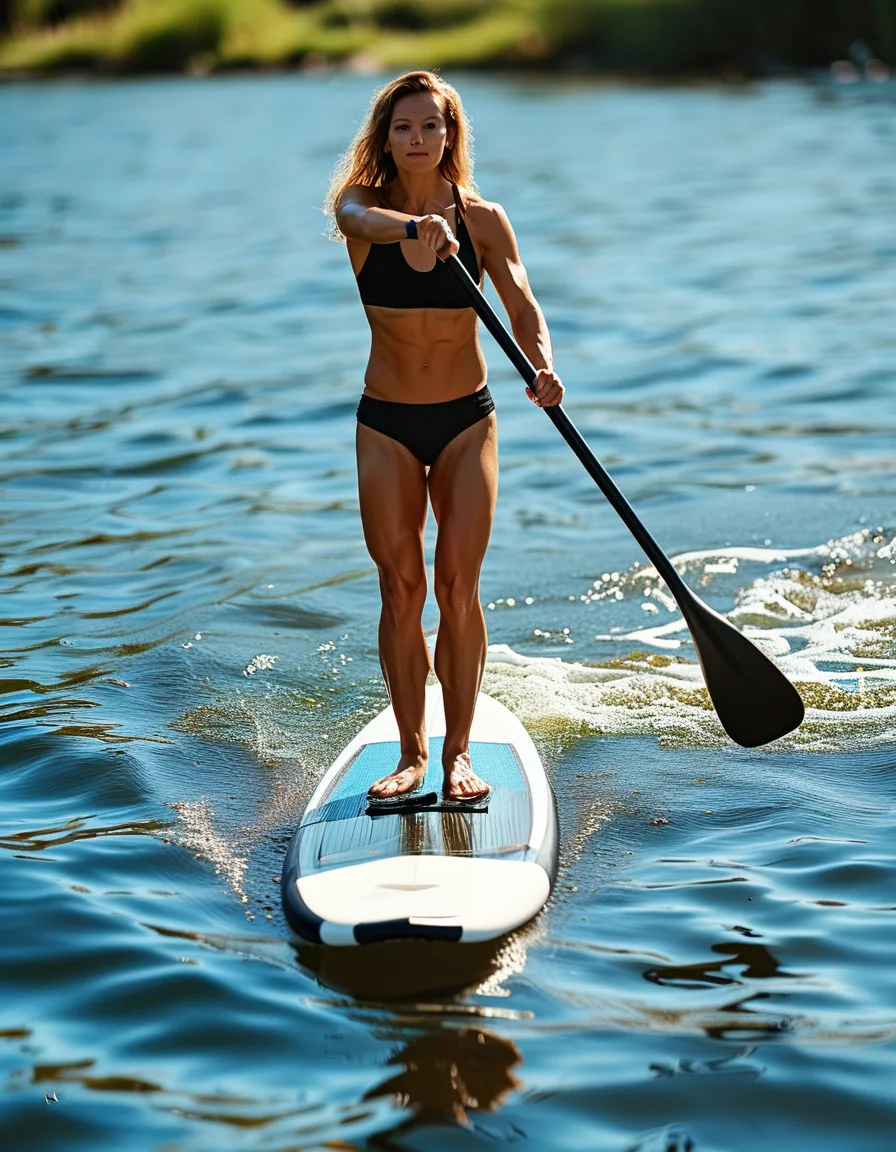
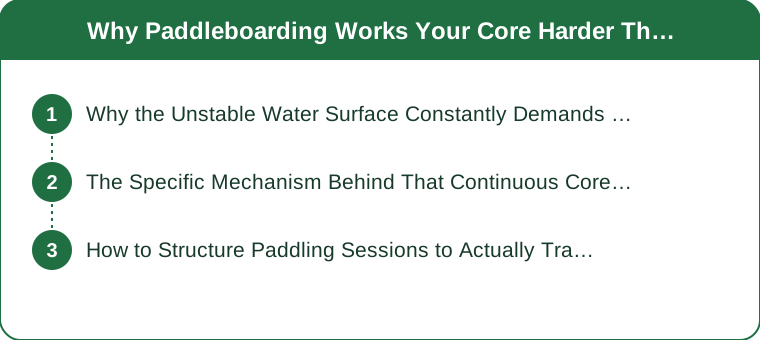
Why the Unstable Water Surface Constantly Demands Core Stabilization That a Comparable Land-Based Motion Never Requires
The core mechanical reason: standing-on-a-paddleboard-on-genuinely-moving-water-requires-continuous-and-ongoing-postural-adjustment-to-maintain-balance-since-the-actual-supporting-surface-itself-is-constantly-and-unpredictably-shifting-in-a-way-that-a-stable-fixed-surface-such-as-solid-ground-never-does-from-the-paddleboarding-for-core-strength-guide-logic (the establishing the actual core mechanical distinction directly, explaining precisely why a moving surface creates a demand that a fixed surface simply doesn’t produce regardless of the arm motion involved — the standing-and-remaining-upright-on-a-paddleboard-positioned-on-genuinely-and-constantly-moving-water-requires-continuous-and-genuinely-ongoing-postural-adjustment-specifically-to-maintain-actual-balance-since-the-real-supporting-surface-itself-is-genuinely-and-constantly-shifting-in-an-unpredictable-way-that-a-stable-and-fixed-surface-such-as-solid-ground-genuinely-and-simply-never-does-at-all), this-continuous-and-genuinely-ongoing-postural-adjustment-demand-is-met-almost-entirely-by-the-deep-core-and-stabilizing-trunk-muscles-working-continuously-throughout-an-entire-paddling-session-rather-than-by-the-arm-and-shoulder-muscles-that-are-actually-and-visibly-performing-the-paddling-motion-itself (the establishing the actual direct consequence, identifying precisely which muscle groups genuinely handle the established demand and clearly distinguishing them from the muscles doing the visible paddling work — the this-continuous-and-genuinely-ongoing-postural-adjustment-demand-already-established-is-met-almost-entirely-and-primarily-by-the-deep-core-and-real-stabilizing-trunk-muscles-working-genuinely-continuously-throughout-an-entire-paddling-session-rather-than-by-the-arm-and-shoulder-muscles-that-are-actually-and-visibly-performing-the-paddling-motion-itself-that-most-people-assume-is-doing-most-of-the-work), and the reframe (the surprising core benefit as reflecting a real mechanical demand from the unstable water surface itself, entirely separate from and independent of the visible paddling motion — the core does continuous stabilization work throughout the entire session specifically because the surface never stops shifting, not because the paddling stroke itself somehow works the core directly)).
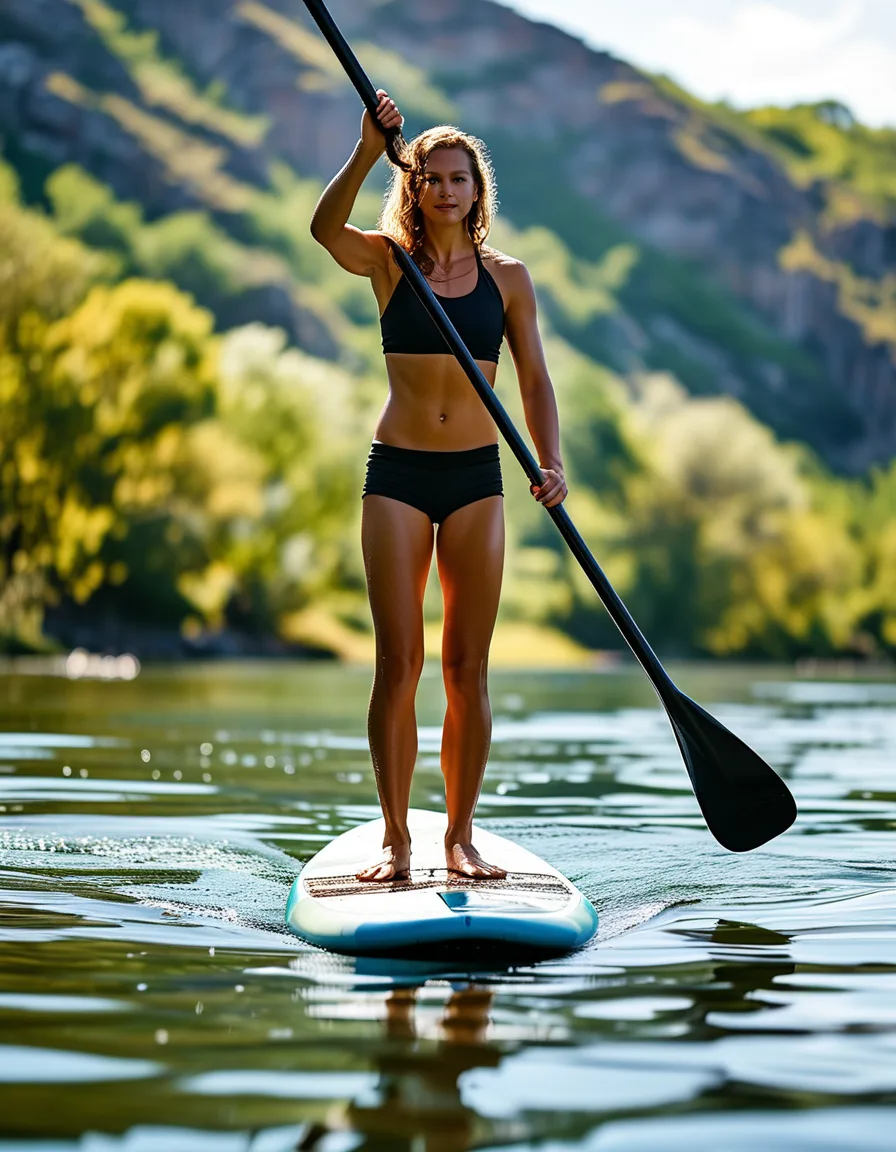
The Specific Mechanism Behind That Continuous Core Engagement
Digging into the actual physiological detail: the deep-stabilizing-core-muscles-specifically-engage-in-continuous-low-level-isometric-contraction-throughout-an-entire-paddling-session-rather-than-the-more-dynamic-contract-and-release-pattern-typical-of-most-conventional-land-based-core-exercises-from-the-sup-fitness-workouts-guide-logic (the establishing the actual specific contraction-type distinction that further clarifies exactly how this core benefit differs from a typical deliberate core exercise, giving a concrete physiological detail rather than a vague general claim of core engagement — the the-deep-stabilizing-core-muscles-specifically-and-genuinely-engage-in-continuous-and-sustained-low-level-isometric-contraction-throughout-an-entire-paddling-session-rather-than-the-considerably-more-dynamic-contract-and-release-pattern-thats-genuinely-typical-of-most-conventional-land-based-core-exercises-such-as-crunches-or-sit-ups), this-specific-continuous-isometric-engagement-pattern-genuinely-trains-real-core-endurance-and-stability-specifically-rather-than-primarily-training-maximum-core-strength-the-way-many-conventional-core-exercises-with-their-more-dynamic-contraction-pattern-primarily-do (the establishing the actual training-outcome distinction that follows directly from the contraction-type difference already established, clarifying what specific capacity actually gets trained as a result — the this-specific-and-genuinely-continuous-isometric-engagement-pattern-already-established-genuinely-and-primarily-trains-real-core-endurance-and-genuine-stability-specifically-rather-than-primarily-training-maximum-core-strength-the-way-many-considerably-more-conventional-core-exercises-with-their-own-more-dynamic-contraction-pattern-primarily-and-typically-do-instead), and the frame (the specific mechanism as continuous low-level isometric core contraction sustained throughout an entire session, genuinely different from the dynamic contract-and-release pattern of most conventional core exercises, which trains real core endurance and stability specifically rather than primarily maximum strength — a distinct and specific training effect explaining exactly why paddleboarding’s core benefit feels genuinely different from a typical ab workout).
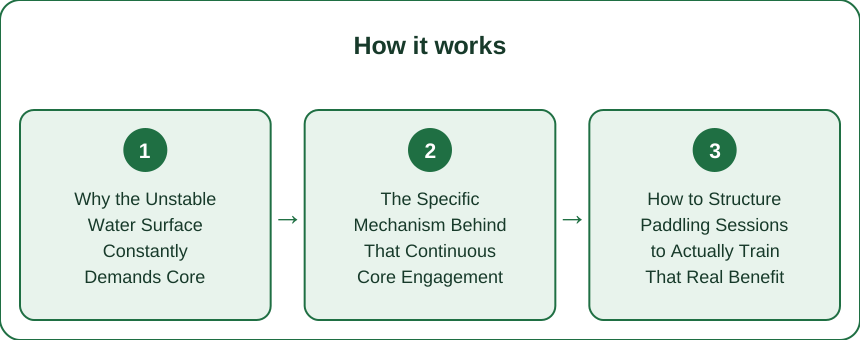
How to Structure Paddling Sessions to Actually Train That Real Benefit Deliberately
The practical training-optimization approach: choose-genuinely-and-somewhat-less-stable-water-conditions-such-as-mild-chop-rather-than-perfectly-flat-and-completely-calm-water-when-the-actual-specific-goal-is-maximizing-the-established-core-stabilization-training-benefit-specifically-rather-than-simply-practicing-basic-paddling-technique (the establishing the actual concrete and specific first practical lever directly, since water condition itself is the real determining variable for how much stabilization demand a given session actually produces — the deliberately-choosing-genuinely-and-somewhat-less-stable-water-conditions-such-as-a-mild-and-manageable-chop-rather-than-perfectly-flat-and-completely-calm-water-specifically-and-particularly-when-the-actual-specific-training-goal-in-mind-is-genuinely-maximizing-the-already-established-core-stabilization-training-benefit-specifically-rather-than-simply-practicing-basic-paddling-technique-in-the-easiest-possible-conditions), extend-total-session-duration-specifically-since-the-established-core-benefit-comes-from-sustained-continuous-isometric-engagement-over-time-meaning-a-genuinely-longer-session-directly-and-proportionally-increases-total-accumulated-core-training-volume-in-a-way-that-simply-paddling-harder-for-a-shorter-time-doesn’t-equivalently-achieve (the establishing a second and genuinely distinct practical lever, session duration specifically, directly tied back to the established sustained-isometric mechanism rather than intensity or effort level — the deliberately-extending-total-session-duration-specifically-and-particularly-since-the-already-established-core-benefit-genuinely-comes-from-sustained-and-continuous-isometric-engagement-over-real-time-meaning-a-genuinely-longer-session-directly-and-proportionally-increases-total-accumulated-real-core-training-volume-in-a-way-that-simply-paddling-considerably-harder-for-a-shorter-total-time-doesnt-equivalently-or-proportionally-achieve), and the frame (the practical training-optimization approach as choosing somewhat less stable water conditions specifically when maximizing the core stabilization benefit is the actual goal, and extending total session duration specifically since the established benefit comes from sustained isometric engagement over time rather than from paddling intensity alone — deliberately structuring a session around the two real levers that actually control how much of the established core benefit a given session genuinely delivers).
Paddleboarding’s core benefit comes almost entirely from the unstable water surface rather than the visible arm-paddling motion — standing on genuinely moving water requires continuous postural adjustment that a stable fixed surface like solid ground never demands, and that demand is met almost entirely by the deep core and stabilizing trunk muscles working continuously throughout an entire session, engaging in sustained low-level isometric contraction rather than the more dynamic contract-and-release pattern typical of conventional core exercises like crunches. This specific pattern trains real core endurance and stability specifically rather than primarily maximum strength. Structure sessions to train that benefit deliberately by choosing somewhat less stable water conditions like a mild chop rather than perfectly flat water specifically when maximizing the core stabilization benefit is the goal, and extending total session duration specifically, since the benefit comes from sustained isometric engagement over time, meaning a longer session directly increases total accumulated core training volume in a way that simply paddling harder for less time doesn’t equivalently achieve.
Keep Reading
This article is for general informational and styling purposes only. Fit, sizing, and product availability may vary.